Out-of-Pocket Dental Expenses in Korea
Out-of-Pocket Dental Expenses in Korea
Out-of-pocket dental expenses in Korea refer to the portion of dental costs that patients pay themselves, either because the treatment is not covered by National Health Insurance (NHI) or because only partial coverage applies. Understanding these costs is especially important for cosmetic dentistry, premium materials, and for patients without Korean insurance.
Below is a clear, clinic-ready explanation of out-of-pocket dental expenses in Korea, written for easy copy and paste.
What Does “Out-of-Pocket” Mean in Korean Dentistry?
Out-of-pocket expenses are dental costs that are not reimbursed by National Health Insurance and must be paid directly by the patient.
This includes:
Treatments that are fully non-insured
The patient’s copayment portion for partially insured treatments
Optional upgrades to premium materials
Sedation or convenience-based services
Foreign patients and tourists generally pay 100% out of pocket, even for basic care.
Common Dental Treatments Paid Out of Pocket
Many frequently requested dental procedures in Korea fall outside insurance coverage.
Cosmetic Dentistry
Cosmetic treatments are fully self-paid and include:
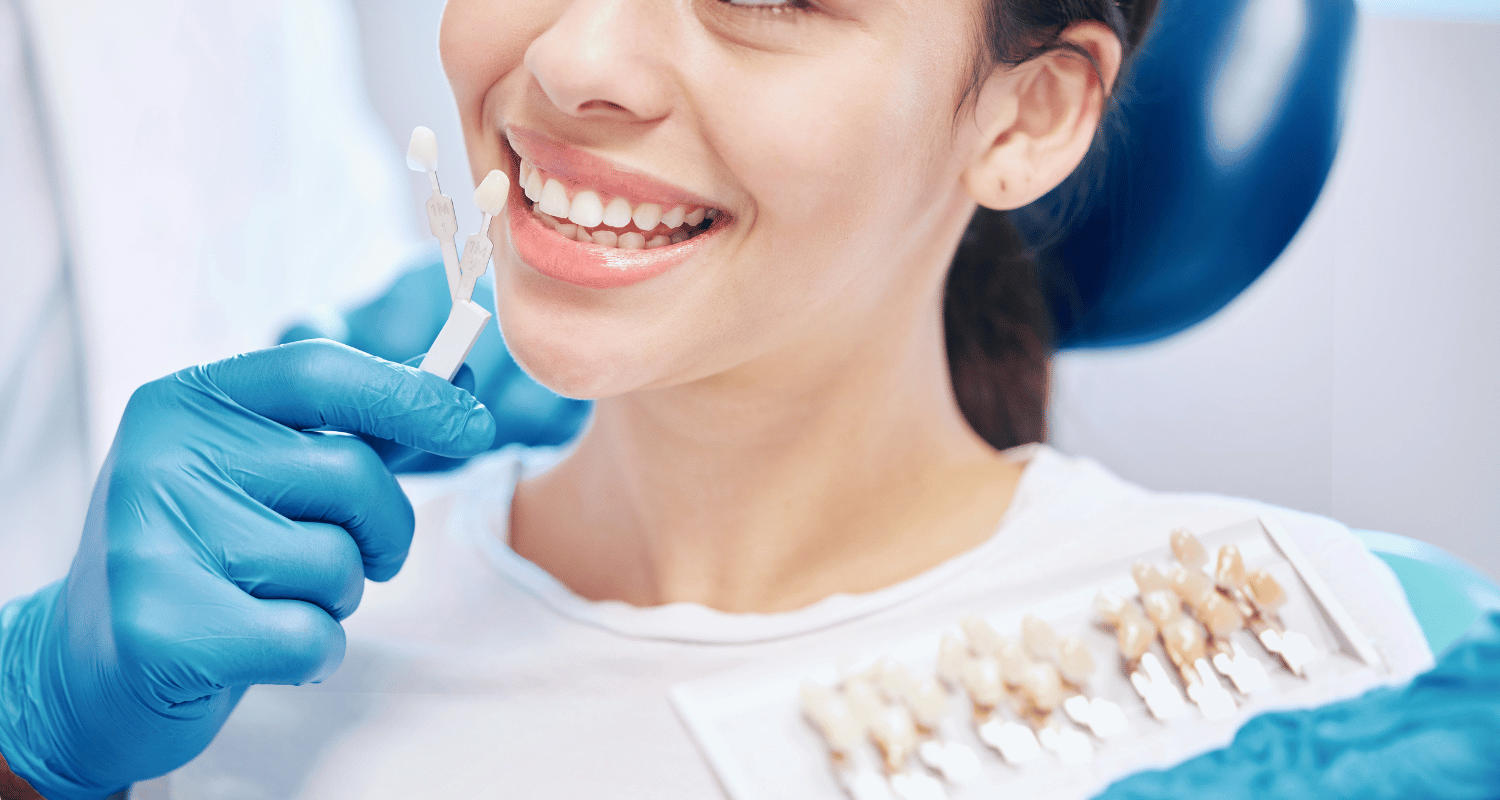
Dental veneers
Teeth whitening
Smile makeover treatments
Cosmetic bonding
Gum contouring for aesthetic purposes
These procedures are considered elective and are not covered by NHI.
Crowns and Restorations (Premium Materials)
While basic restorations may be partially insured, most patients choose premium materials that require out-of-pocket payment:
Zirconia crowns
All-ceramic or aesthetic crowns
Gold crowns
High-end inlays and onlays
Patients often pay the full cost for these materials.
Dental Implants (Most Patients)
Dental implants are usually paid out of pocket, except for limited coverage for eligible seniors.
Out-of-pocket implant expenses often include:
Implant fixture
Abutment
Crown
Bone grafting or sinus lift (if required)
Orthodontic Treatment
Braces and aligners are fully non-insured and paid out of pocket:
Metal or ceramic braces
Lingual braces
Clear aligners
Retainers
Orthodontic costs are one of the largest out-of-pocket dental expenses in Korea.
Sedation and Anesthesia
Advanced comfort options are not insured:
Nitrous oxide (laughing gas)
Oral sedation
IV sedation
General anesthesia
Local anesthesia for routine care is usually included, but deeper sedation is self-paid.
Out-of-Pocket Costs for Partially Covered Treatments
Some treatments are partially insured, meaning patients still pay a portion themselves.
Examples include:
Dental check-ups and examinations
Scaling and professional cleaning
Fillings and root canal treatment
Simple tooth extractions
X-rays and diagnostic imaging
In these cases, patients pay a reduced amount, while the rest is covered by NHI.
Out-of-Pocket Costs for Foreign Patients
Foreigners without Korean National Health Insurance pay full private clinic rates for:
Consultations
X-rays and CT scans
Cleanings
Extractions
Root canal treatment
Crowns, implants, and cosmetic procedures
There is no insurance discount unless the patient is officially enrolled in NHI or has private insurance reimbursement.
Why Out-of-Pocket Costs Vary
Out-of-pocket dental expenses in Korea vary depending on:
Clinic location (major cities vs regional areas)
Dentist expertise and specialization
Materials used
Treatment complexity
Technology and equipment
Number of visits required
Premium clinics and cosmetic-focused practices may charge higher fees.
How Clinics Handle Billing Transparency
Korean dental clinics typically:
Explain which items are insured vs non-insured
Separate insured and self-paid charges on invoices
Require consent before starting non-insured treatment
Provide cost estimates in advance for major procedures
Patients are encouraged to ask for a written treatment plan before proceeding.
Tips to Manage Out-of-Pocket Dental Expenses
Ask if insured alternatives are available
Request a detailed cost breakdown before treatment
Prioritize urgent treatment over cosmetic upgrades
Confirm whether sedation or premium materials are optional
Compare clinics for major procedures
Final Thoughts
Out-of-pocket dental expenses in Korea mainly apply to cosmetic treatments, premium materials, implants, orthodontics, and sedation services. While National Health Insurance significantly lowers the cost of basic dental care for eligible residents, many popular and advanced treatments are self-paid.
Understanding which dental services require out-of-pocket payment allows patients to plan confidently, avoid unexpected costs, and choose treatments that fit their needs and budget.